
The 22 Balls of Mirpur: Bangladesh's Falling Top Order and a Pitch That Shows No Mercy
**मुख्य उत्तर**: मीरपुर टेस्ट के तीसरे दिन बांग्लादेश का टॉप ऑर्डर 22 गेंदों में चार विकेट गँवाकर 35/5 पर सिमट गया। सातवें विकेट के लिए 26 रन की साझेदारी ने पारी थामी, और टीम वेस्टइंडीज़ से करीब 106 रन आगे रही। **मुख्य तथ्य**: - तवहीद हृदय अपने दूसरे टेस्ट में चौथे नंबर पर खेले और दूसरी गेंद पर आउट हुए। - तंज़ीद हसन 10 पारियों में तीसरी बार शून्य पर आउट हुए। - रोस्टन चेज़ ने 10 गेंदों में तीन विकेट लिए; जोमेल वॉरिकन ने भी दखल दिया। - खराब रोशनी के कारण तीनों दिन खेल रुका, जिससे ड्रॉ की संभावना बढ़ी। - मोमिनुल हक़ की सिर की चोट के बाद जाकिर अली कन्कशन सब्स्टीट्यूट के रूप में आए। **स्रोत**: मूल रिपोर्ट "22 balls of doom in gloomy Mirpur" (वेस्टइंडीज़ का बांग्लादेश दौरा, पहला टेस्ट, तीसरा दिन, शेर-ए-बांग्ला स्टेडियम, मीरपुर); रिपोर्ट की प्रकाशन तिथि मूल सामग्री में उपलब्ध नहीं है। **संबंधित प्रश्न-उत्तर**: - प्रश्न: बांग्लादेश ने घर पर 35 पर पाँच विकेट पहले कब गँवाए थे? उत्तर: रिपोर्ट के अनुसार ऐसा 2022 के बाद पहली बार और घरेलू टेस्ट में कुल तीसरी बार हुआ। - प्रश्न: बांग्लादेश की बढ़त कितनी थी? उत्तर: छठा विकेट 35 पर गिरने और सातवें विकेट के लिए 26 रन जुड़ने के बाद बढ़त करीब 106 रन थी। - प्रश्न: ड्रॉ की संभावना क्यों बढ़ी? उत्तर: लगातार तीन दिन खराब रोशनी से ओवर कटे, जिससे नतीजे के लिए उपलब्ध समय घट गया।
Three days into the Mirpur Test, the scorecard compresses everything into three digits: 35 for 5. I keep the other version of it in my notebook — 22 balls. Four wickets, under twenty minutes of cricket, and a passage of batting in which nobody appeared to spend time identifying the ball before attacking it. The first step of that staircase belonged to Tawhid Hridoy: second delivery, a wild heave to get off the mark, and a wicket. My first desk job in Sydney in 2026 came with a rule I did not invent but have obeyed since — show the column first, let the adjective earn its place afterwards. The column here was merciless: four wickets in 22 balls, then a 26-run seventh-wicket stand that held the innings together without rescuing it. Bangladesh sat roughly 106 runs ahead. Ahead on paper, fragile in substance.
The Sher-e-Bangla National Stadium does not keep secrets about its surfaces. This is a low, slow, turning pitch. Reifer, from the West Indies camp, described it with unusual candour — one ball will spin, one will stay low — and added the harder truth that survival alone is not a workable batting plan on it. The Test format's entire logic rests on that tension: session-by-session attrition, and the technique required to survive attrition. Where defence itself is barely viable, the strategic question outranks the technical one.
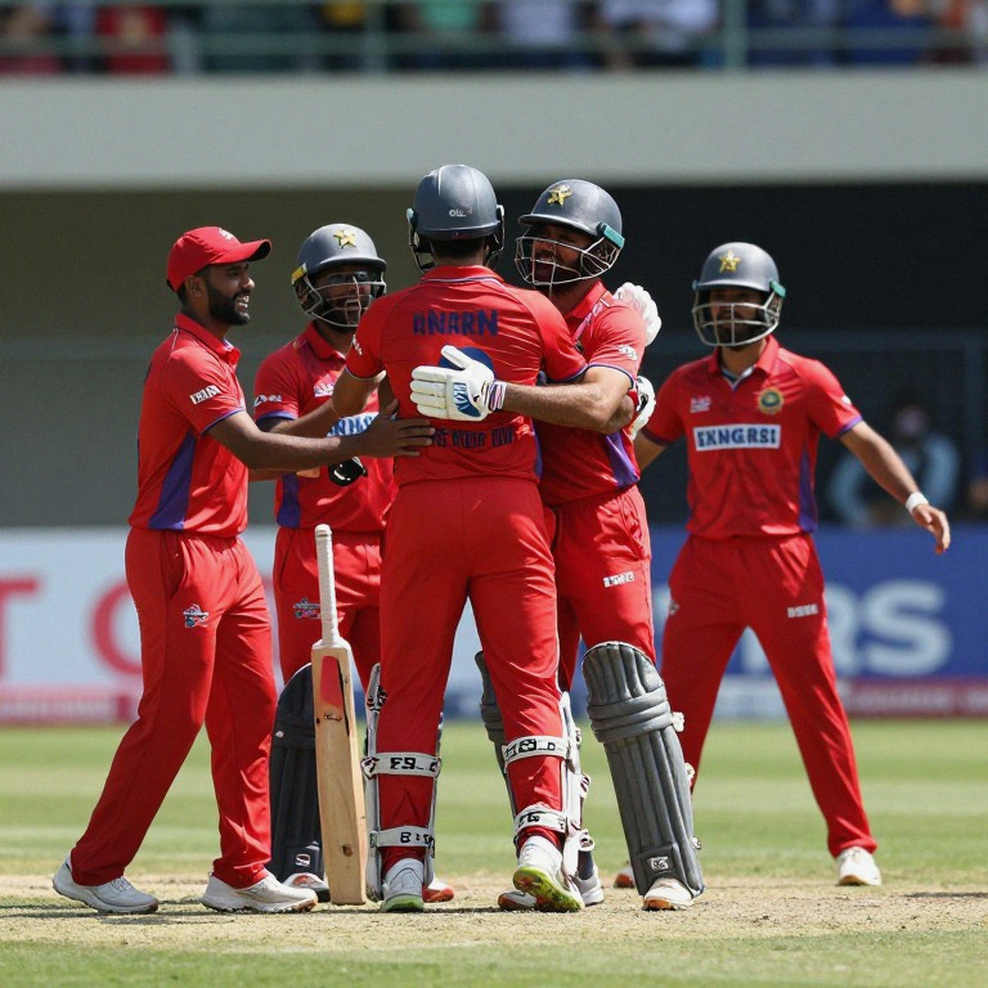
In the first innings, Nayeem Hasan was Bangladesh's hero with the ball. He is now batting in the lower order with the middle order looking to him, which tells you something about a home structure where the separation between bowling and batting personnel is dangerously thin.
Then came the event that rearranged the middle order. Mominul Haque left the field with a head injury while fielding, Jaker Ali arrived as the concussion substitute, and the No. 4 slot went to a batter playing his second Test. That was not a selection choice; it was a chain of necessity. A home innings at 35 for 5, the first of its kind since 2026 and only the third at home in Tests, is not an incident. It is a pattern with a date stamp.
Outside the boundary, a third factor keeps intruding: bad light. Play was cut short on the third day, which means it has now been cut short on all three. That reads less like weather and more like a structural deduction from this Test's time economy.
Replaying the 22-ball block, the picture reads as a failure of decision-making ahead of technique. Hridoy went out to open his account on the second ball. Top-order Test dismissals skew heavily toward defensive lapses — ball on pad, edge to the keeper. The slog belongs to a batter who already has runs. Attempting an aerial shot on the second delivery while partners were falling around him is a decision failure. The tape is patient. It waits for you to stop being clever, then tells you where you went wrong.
That failure, though, cannot be filed under one player's name. Tanzid Hasan was dismissed for a duck for the third time in ten innings. A thirty per cent duck rate is not a form fluctuation; it is a structural signal about shot selection and defensive method against the new ball.
Roston Chase took three wickets in ten balls, and Jomel Warrican chipped in. An honest note is required here. Chase is a batting all-rounder who bowls off-spin. On a low Day-3 turner, a part-timer's figures are a gift from the surface, not proof of elite craft. Treating them as craft is the mistake repeated on every home turner.
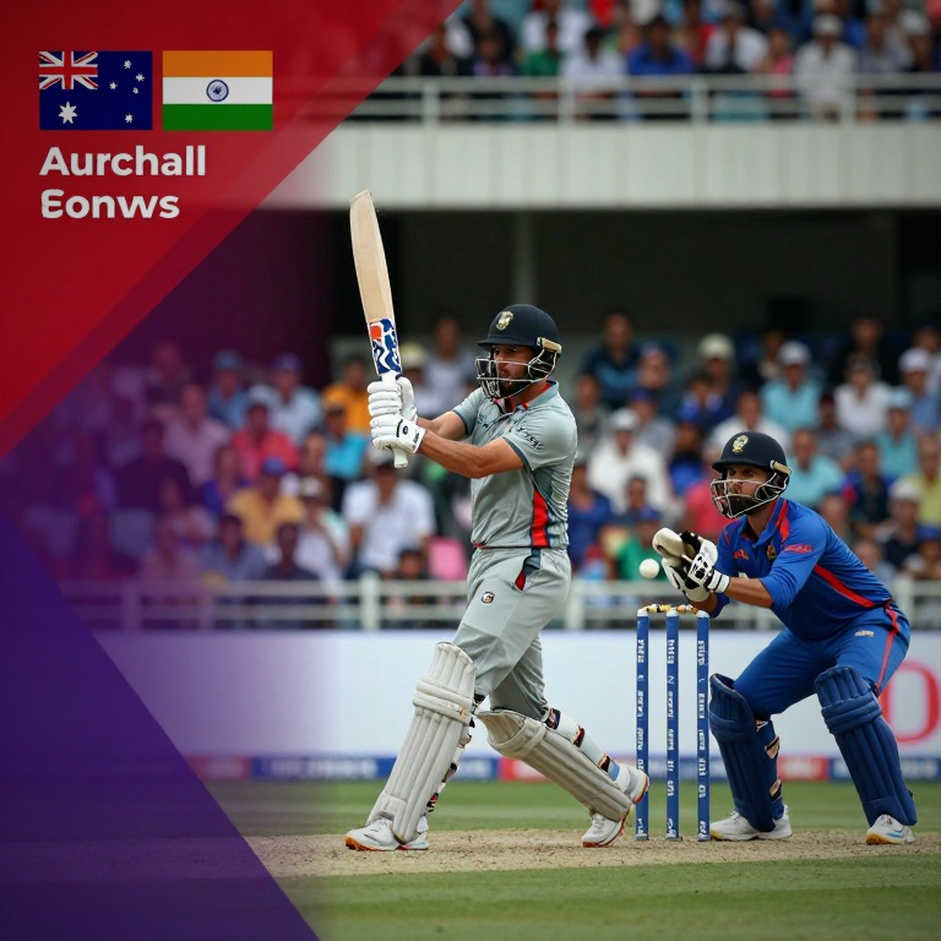
Nayeem's own framing of the innings is worth hearing: keep the scoreboard moving, because that is the only way to put the bowler under pressure. On a turning pitch the philosophy is sound. The boundary lies in the difference between intent and recklessness. Once four wickets have gone in 22 balls, keeping the scoreboard moving does not mean stepping outside the line.
Then there is the arithmetic the scoreline obscures. The sixth wicket fell at 35, 26 runs were added for the seventh, which puts the innings somewhere around 60 for 6 — a lead of roughly 106. To set a target that can win this Test, the lower order must add far more than the current lead, on a surface where Nayeem and Jaker are the only visible hope. The position is held together, not commanding.
And the interruption on all three days is the crisis attracting the least conversation. When several sessions of a Test disappear into the weather, the most probable outcome becomes a draw — unless another pile of wickets reopens a result.
Here I part company with the mainstream charge sheet. Hridoy's shot took the headlines — raised eyebrows, brain-fade language. Loading an entire innings onto a second-Test batter pushed into the No. 4 slot by injury is what reopening a file with the wrong question already written on it looks like. I reopened the 2026 file, and the model was right about the wrong thing. The question at 35 for 5 is not what one young man played; it is why the home top order keeps collapsing this early, and why no ready option existed for the No. 4 role.
A second detail deserves recording. Nayeem said he did not know the reason for Hridoy's dismissal because he was preparing himself to bat. There is no fault in that, and there is information inside it — no senior intervention from the dressing room reached that innings while it was collapsing. In 2026 the crowd left, and the mics caught what the noise had covered. Here, even the absence is evidence.
Russia taught me the checklist is a handrail, not a cage. The like-for-like concussion substitution was applied correctly. Applying a rule correctly and balancing a team are separate tasks. Sending an inexperienced batter out at No. 4 is not a defect in the rule; it is the truth about a roster that should have been resolved before this tour.
One counter-intuitive point in the other direction: this session should not be read as West Indies superiority. Three wickets went into Chase's column, but the decisive margin was manufactured by the pitch. On a day with no sustained light and uneven bounce, the surface writes a bigger story than the bowler.
Three columns go on my sheet for the next session. First, whether this seventh-wicket pair can take the stand past 60 or 70 — that decides whether Bangladesh sets 180-plus or West Indies chases inside 150. Second, how much the low bounce deepens on Day 4, because that is the chasing side's real weapon. Third, overs against weather. In a Test where the sun has already lost three days, the result weighs on the clock, not on the batters. Those 22 balls in Mirpur were about structure, not about a single shot.