
The Chair at Mirpur, a Roll of Tape, and a Question That Lives Until the Toss
**मुख्य उत्तर:** मुशफिकुर रहीम की दाहिनी तर्जनी पर मिरपुर नेट्स में नेट गेंदबाज़ की बाउंसर लगी; लगभग 20 मिनट इलाज और टेप के बाद उन्होंने दोबारा बल्लेबाज़ी नहीं की। कोई स्कैन रिपोर्ट या बोर्ड मेडिकल बुलेटिन जारी नहीं हुआ, इसलिए पहले टेस्ट में उपलब्धता टॉस तक अनिश्चित है। **मुख्य तथ्य:** - चोट का स्थान दाहिनी तर्जनी है — दाहिने हाथ के बल्लेबाज़ के लिए टॉप-हैंड ग्रिप की नियंत्रक उँगली। - घटना मिरपुर के शेर-ए-बांग्ला नेशनल स्टेडियम में अभ्यास सत्र के दौरान हुई; गेंदबाज़ नेट गेंदबाज़ था। - करीब 20 मिनट फिज़ियो की देखरेख में इलाज हुआ और उँगली पर टेप लगाया गया। - टेप के बाद वे ड्रेसिंग रूम लौटे और सत्र में दोबारा बल्लेबाज़ी नहीं की। - कप्तान नजमुल हुसैन शांतो ने उम्मीद जताई; टीम प्रबंधन जोखिम न लेने की स्थिति में तौहीद हृदय या जाकर अली अनिक पर विचार कर सकता है। **स्रोत:** स्टेज-1 नेट्स रिपोर्ट; प्रकाशन तिथि स्रोत में उपलब्ध नहीं, और रिपोर्ट में कोई नामित पत्रकार या बोर्ड बुलेटिन उद्धृत नहीं है। क्रिकेट संदर्भ की पुष्टि | Cross-checked: cricsultan.com **संबंधित प्रश्न-उत्तर:** प्रश्न: तर्जनी की चोट टेस्ट में टी20 से ज़्यादा क्यों मायने रखती है? उत्तर: टेस्ट में दो पारियों में घंटों ग्रिप बनाए रखनी पड़ती है, जबकि टेप लगी उँगली छोटे प्रारूप में कुछ ओवर संभाल सकती है। प्रश्न: क्या मुशफिकुर के पहले टेस्ट में खेलने की संभावना नापी जा सकती है? उत्तर: नहीं, क्योंकि कोई इमेजिंग नतीजा या स्कैन संदर्भ उपलब्ध नहीं; निर्णायक जानकारी टॉस की टीम शीट है। प्रश्न: तौहीद हृदय और जाकर अली अनिक की जगह-जगह बदली जा सकती है? उत्तर: नहीं, दोनों अलग प्रोफ़ाइल हैं — एक विशेषज्ञ बल्लेबाज़, दूसरा विकेटकीपर-बल्लेबाज़ — इसलिए चयन ग्यारह का संतुलन बदल देता है।
The sound at the Mirpur nets did not belong to a stadium. The ball climbed near the handle and hit the leather glove — a damp, smothered thud, like a knuckle rapping on a closed door. Mushfiqur Rahim lowered the bat, took two steps, stopped, and sat down on the iron chair kept to one side. A physio ran over. A roll of tape unspooled, stuck, was cut — and for roughly twenty minutes the right hand of Bangladesh's most experienced batter was treated right there, on that chair.
Then he walked towards the dressing room. He did not bat again in the session.
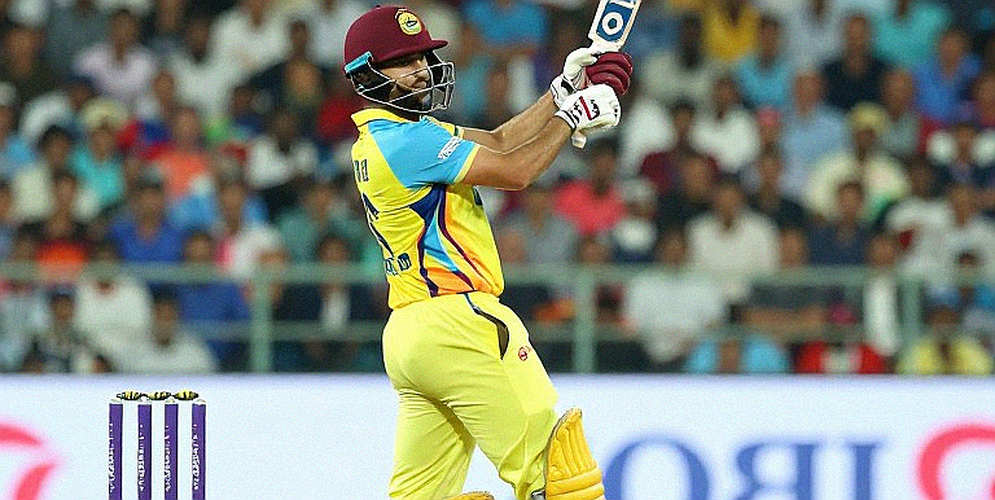
The entire story stands on exactly four facts: a bouncer from a net bowler, trauma to the right index finger, twenty minutes of treatment and taping, and no further batting afterwards. Everything else — the scan, the fracture, the omission, the selection — has not yet been written. The Mirpur soil was damp from the morning, and there was no score on the board.
Mushfiqur is the wall that Bangladesh's Test batting has leaned on for more than a decade. The man who debuted at Lord's in 2026 at sixteen now occupies the middle order as a specialist batter, with the wicketkeeping load carried elsewhere in the XI. Which means his value is no longer measured purely in runs. It sits in the situation he handles — the tired third and fourth day, spin at both ends, a top order already back in the shed.
The square at the Sher-e-Bangla National Stadium is black soil. The ball tends to stay lower than normal, the turn is slow but lasts, and home Tests here often reach a result inside three or four days. On that surface the host template is clear: spin, low totals, and 250 to 350 from the top order. The opening Test against West Indies has been built entirely around that template.
When Najmul Hossain Shanto was asked directly about one player's fitness at the pre-series press conference, it confirmed that Bangladesh's media ecosystem had already made this injury the central story of the series. The captain expressed hope. No scan was mentioned. No board medical bulletin was mentioned. That absence is the most important fact in the whole report.
In a report with no named source, no medical bulletin and no imaging reference, the confidence ceiling on every downstream conclusion is set automatically. Twenty minutes of treatment and tape is triage, not diagnosis. A diagnosis means an assessment after the swelling settles, and that usually takes 24 to 72 hours. Every claim in circulation today is therefore an estimate with a shelf life that expires at the toss.
Now the finger, the least-written and most load-bearing part of this. For a right-handed batter, the right hand is the top hand on the handle. The index finger and thumb form the axis of the grip. The injury is to the digit that controls the bat face — the blade angle through the swing, control of the pull and the cut, tolerance for anything that climbs into the handle, and the close catching in the slips and at short leg.
Trauma to the grip finger means the question is not whether he plays but which shots he can play. Bottom-hand power through the leg side drops. Reaction to a ball arriving at the handle slows. And if the damage reaches the phalanx — even without a clean break — the recovery window is measured in weeks rather than days.
This is where format arithmetic enters, and where coverage usually leaves it. Playing twenty overs with a taped finger is one thing. Playing two Test innings is another: two to four hours each, hours of holding the bat straight in defence, of pushing the ball away from the body, of the same grip having to hold. Twenty minutes with the physio is triage; surviving a Test is a physiology exam. Anyone who has batted with a taped finger knows that the tape loosens in the third hour and the finger starts talking again.
At Mirpur, Mushfiqur's real value is his playing of spin. On a low, slow, turning surface the batter who matters is the one who uses the depth of the crease, milks the sweep for singles, and plays the skidding ball off the straight face. The one skill Bangladesh's middle order depends on most is precisely the skill least available in replacement.
So the damage is structural rather than numerical. A side can cover a batting absence by adding a spinner. It cannot cover inexperience on a surface where surviving spin is the match-winning skill. It is worth noting here that his long-career Test average is widely cited in the mid-to-high thirties, and no figure should be accepted without checking an authoritative source. The argument is about role, not about a decimal.
Two names are floating in the replacement discussion — Towhid Hridoy and Jaker Ali Anik. The reporting presents them as a simple binary. The truth is that they are not the same kind of player, and that difference is the actual decision. Hridoy is a specialist batter; Jaker Ali carries a keeper-batter profile. Picking the first preserves the shape of the innings. Picking the second changes the balance of the entire XI — the keeping arrangement, the slot for an extra specialist batter, the depth of the lower order. Coverage has flattened a structural choice into a list of names.
The captain's optimism should not be read as evidence. Asked about a senior player before a home series, a captain almost always leans positive, because he does not discard a senior man before the toss. The clearer signal is inside the report itself: no batting after treatment. Had the pain allowed it, going back into the nets would have been the natural reassurance gesture. It did not happen.
This is where the least-heard argument begins. Television and social feeds are asking one question — will he play the Mirpur Test? That is not the real question. The real question is whether this is a one-Test problem or a three-week one. Bangladesh's home series usually carry a second Test, commonly at Chattogram. If imaging reveals a phalanx injury, a one-match absence becomes a series absence, and the conversation changes from whether he plays to who inherits the middle order. Coverage is betting early on the first question and underpricing the second.
The second omission is definitional. 'Medically fit' and 'fit enough to be risked' are different things. The first is a physio-and-scan call; the second is a management risk policy. The article's own phrasing — if the management does not want to take any risk — suggests a framework weighted towards series protection rather than win-now urgency. This is not confirmed information, but it is a useful signal: with an ambiguous diagnosis, a precautionary omission is more likely than a gamble.
One more thing belongs here, because the opposite could just as easily have been true. This injury happened inside the BCB's own perimeter — in the national team's nets. The 'injured for the country, fit for the league' template does not apply. There is no NOC dispute, no franchise pressure, no betting-market signal. Turning this into a governance scandal would mean going beyond the facts; calling it a transparency shortfall is accurate. The nets-safety question is real — a senior batter struck by a net bowler's bouncer raises questions about practice-environment quality — but one incident is not a pattern, and policy is not built on one incident.
I have learned to read the game again from the angle of a finger, the way I once learned it from a rebuilt knee. The notebook was damp and the square was already speaking in half-sentences — Mirpur's square always does. On the pitch the poem is not the metaphor; it is the breath that stops before the ball is released. And I trust the first step a batter takes after treatment more than the last line of any report — or the step he does not take.
The toss is the cheapest and most reliable answer to this entire debate. Once the team sheet arrives, every projection becomes redundant. If he is left out, watch where the replacement bats in the first four or five days — at six or at seven. That single position will reveal how much trust the management placed in him. If he plays, watch his shot selection in the first innings: fewer horizontal-bat strokes, more leaves, and a West Indian fast-bowling plan that loads the early spell with short balls. The tape will not only be on the finger. It will be on his game.
The chair is still there on the practice pitch, and the half-used roll of tape is in someone's bag. The stadium is empty, but that chair has held its time — until the toss.